
NAVIGATION
Altiora Ascend
Performance Intelligence
Voxence
Communication Fluency
Altiora Lexis
Retention Systems
The Future of Linguistic Fluency
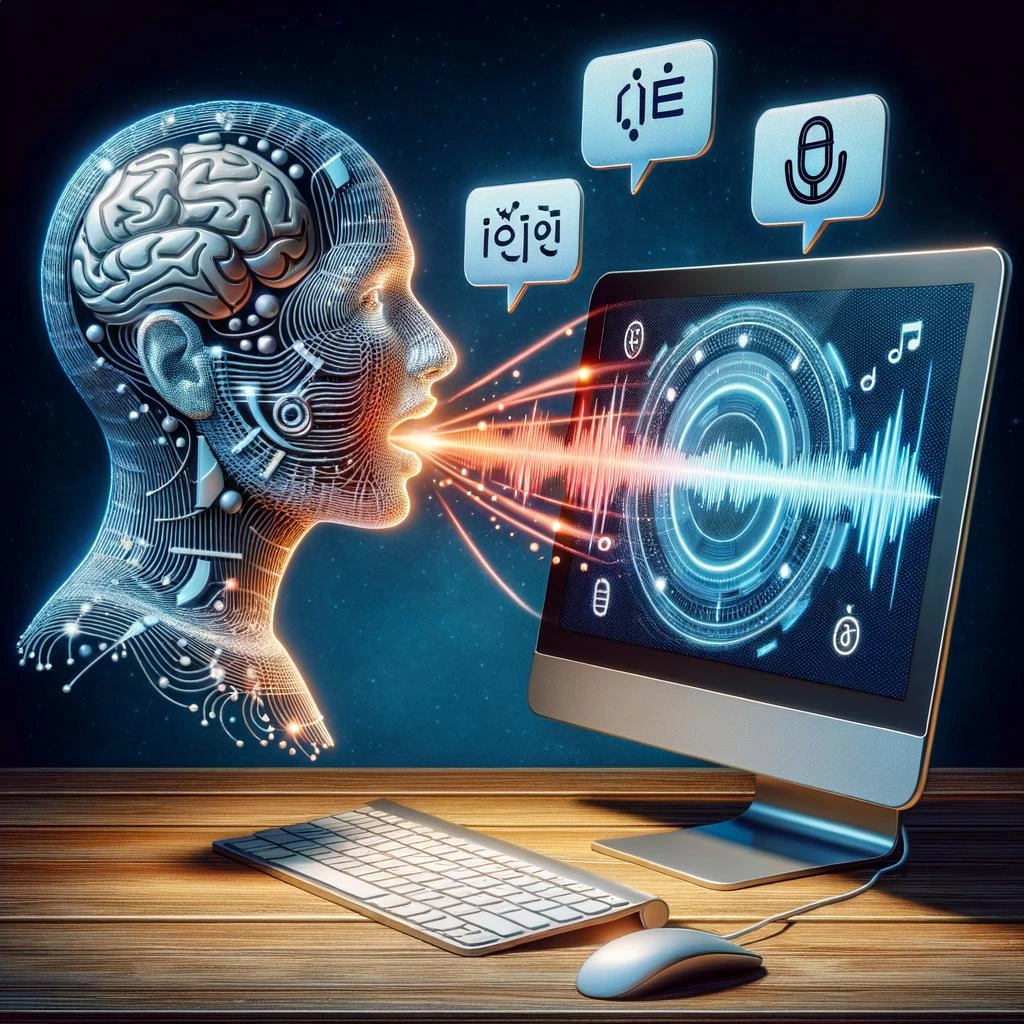
Recent advances in artificial intelligence are transforming how language learning is approached, shifting from traditional memorization-based methods to interactive, adaptive, and conversational learning systems. AI-powered language education tools now simulate real-life communication environments, allowing learners to practice speaking, listening, reading, and writing in a continuous feedback loop.
Modern research in AI-assisted language learning highlights the importance of reducing cognitive load while improving fluency outcomes. Studies show that learners benefit significantly when AI systems provide real-time corrections, contextual suggestions, and adaptive difficulty levels based on performance patterns. These systems use speech recognition, natural language processing, and conversational modeling to simulate human-like tutoring experiences.
One of the most impactful developments is the integration of intelligent tutoring systems that adjust learning content dynamically. Instead of static grammar rules or vocabulary lists, learners engage in personalized conversations where the system adapts responses based on accuracy, hesitation, and fluency level. This creates a more immersive and engaging learning environment.
Recent experimental studies indicate that AI-assisted language learning strategies significantly improve vocabulary retention, pronunciation accuracy, and speaking confidence. However, researchers also note that poorly designed systems may increase cognitive load if feedback is too frequent or overly complex, highlighting the importance of balanced instructional design.
AI chatbots are also being widely studied for their role in language acquisition. These tools allow learners to practice anytime, offering low-pressure environments that reduce anxiety and increase repetition opportunities. When combined with spaced repetition and adaptive feedback, chatbot-based learning systems show strong improvements in long-term language retention.
Despite these benefits, challenges remain. Issues such as over-reliance on automated feedback, lack of cultural context, and limited human interaction must be addressed to ensure balanced language development. Nevertheless, AI continues to redefine linguistic fluency as a dynamic, adaptive, and highly personalized process rather than a fixed learning outcome.